How Proper Installation Prevents Cracking and Settling
Proper installation by local contractors ensures a stable, well-prepared base and appropriate curing, helping prevent cracking and settling in your concrete driveway.
Understanding how proper installation prevents cracking and settling is essential for property owners looking to ensure the longevity and durability of their concrete surfaces. In regions with varying weather conditions or shifting soil, the way a concrete driveway is installed can make a significant difference in how well it withstands the test of time. Local contractors who specialize in driveway installation are knowledgeable about best practices that help minimize common issues like cracks and uneven settling, providing peace of mind for homeowners and business owners alike.
Exploring this topic is especially relevant for those investing in new concrete driveways or considering repairs to existing surfaces. Proper installation techniques-such as appropriate sub-base preparation, controlled mixing, and precise finishing-play a crucial role in preventing structural problems down the line. By connecting with experienced service providers in the area, property owners can access the expertise needed to ensure their concrete driveways are installed correctly, helping to avoid costly repairs and maintain a smooth, stable surface for years to come.
- Concrete driveway installation services are essential when planning a new driveway to ensure proper subgrade preparation and reinforcement, helping to prevent cracking and settling. Local contractors focus on accurate site assessment and proper concrete placement techniques to maintain long-term stability. When existing driveways show signs of cracking or uneven settling, experienced service providers can evaluate and reinforce the foundation to address underlying issues. Proper installation methods by local pros include control joint placement and adequate curing, which are critical for minimizing future damage. Contacting local contractors for driveway installation can help ensure the driveway remains durable and resistant to common issues caused by improper setup.



When homeowners search for information on how proper installation prevents cracking and settling, they are typically looking to understand how the initial process of installing a concrete driveway or other flatwork impacts its long-term durability. Cracking and settling are common concerns because they can lead to uneven surfaces, water pooling, and costly repairs. Proper installation involves careful preparation, quality materials, and precise techniques that help ensure the concrete maintains its shape and strength over time. Homeowners often want to know how choosing experienced local contractors can make a difference in preventing these issues from developing prematurely.
These concerns are especially relevant for properties where a stable, level surface is essential for daily use-such as residential driveways, sidewalks, and small commercial parking areas. Cracks can occur due to various factors, including soil movement, improper subgrade preparation, or inadequate control joints. Settling happens when the ground beneath the concrete shifts or compresses unevenly, causing the slab to sink or crack. Proper installation practices address these issues by ensuring the ground is properly prepared, the concrete mix is suitable, and joints are strategically placed to control where cracks may form. This focus on quality work helps extend the lifespan of the concrete and reduces the likelihood of costly repairs later on.
Properties that typically come up in discussions about proper installation include single-family homes, multi-unit residential complexes, and small businesses with paved surfaces. These projects often involve concrete driveways, patios, or walkways that need to withstand regular use and exposure to the elements. For homeowners, ensuring that the installation is done correctly from the start can prevent problems that might otherwise require extensive repairs or replacement down the line. Local service providers who specialize in concrete driveway installation can assess soil conditions, recommend suitable materials, and apply best practices that help prevent cracking and settling, providing a more durable and long-lasting result.
Understanding how proper installation prevents cracking and settling makes it clear why working with experienced local contractors is a smart choice. These professionals have the knowledge and skills to prepare the site properly, choose the right mix, and implement installation techniques that mitigate common issues. By focusing on quality workmanship, they help ensure the concrete remains stable, level, and free of unsightly cracks for years to come. For homeowners planning new concrete projects, partnering with trusted local service providers can make a significant difference in achieving a smooth, durable surface that stands the test of time.
Concrete paving projects - professionals experienced in concrete paving understand the importance of proper subgrade preparation and reinforcement, which are essential for preventing cracking and settling in driveways.
Patio and walkway installations - these projects require precise planning and execution similar to driveway installation to ensure long-lasting, crack-free surfaces.
Foundation and slab work - experts in foundation pouring and slab construction apply similar techniques to control soil movement and moisture, reducing the risk of settling issues.
Garage floor construction - this type of project involves careful planning of concrete mix and reinforcement, closely related to practices that prevent cracking in driveways.
Retaining wall construction - building retaining walls involves understanding soil stability and drainage, which are also critical for driveway longevity and stability.
Concrete repair and restoration - experienced service providers use similar skills to identify and address cracks caused by improper installation, helping to prevent future settling problems.
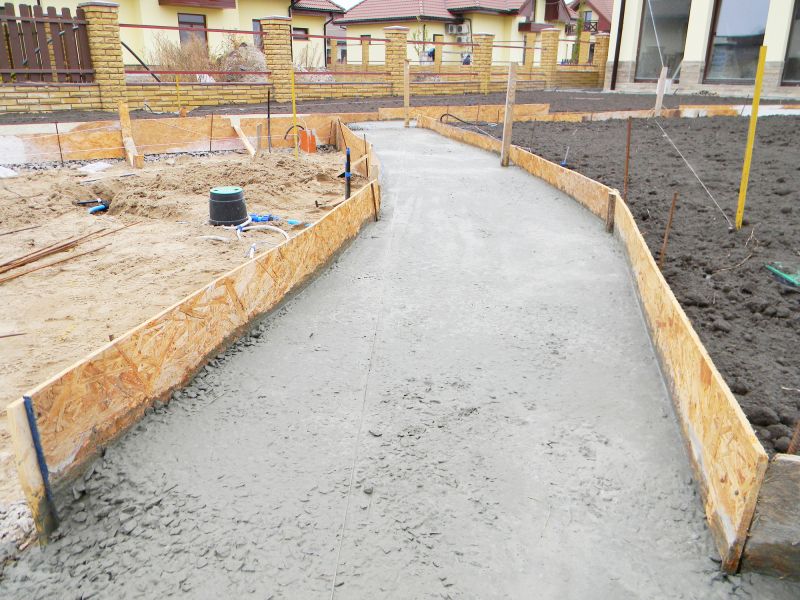
When comparing local contractors for concrete driveway installation, it’s important to consider their experience with similar projects. Contractors who have a history of working on driveway installations can demonstrate a deeper understanding of how proper installation techniques contribute to preventing cracking and settling. Experienced service providers are more likely to be familiar with the specific challenges that can arise during the process and know how to address them effectively, ensuring a durable and long-lasting result. Reviewing their portfolio or asking for examples of past driveway projects can help gauge their familiarity with best practices related to proper installation methods.
Clear written expectations are essential when evaluating potential service providers. A reputable contractor should be able to provide detailed information about their approach to installation, including preparation, materials, and techniques used to minimize the risk of future cracking or settling. These details can help homeowners understand how the contractor plans to ensure the integrity of the driveway over time. Additionally, having a clear scope of work and agreed-upon expectations can prevent misunderstandings and ensure that both parties are aligned on the project’s goals related to quality and longevity.
Reputable references and good communication are key factors in selecting the right local contractor. Service providers who can offer references from previous clients give confidence that they have a track record of delivering quality work. Good communication throughout the project also indicates professionalism and a willingness to address questions or concerns, which is vital for ensuring that proper installation techniques are followed and that the homeowner’s expectations are met. When comparing options, it’s beneficial to prioritize contractors who demonstrate transparency, responsiveness, and a history of satisfied clients, as these qualities often reflect their commitment to quality workmanship that helps prevent issues like cracking and settling in concrete driveways.
Property owners often search for how proper installation prevents cracking and settling when they are planning practical projects around their homes and businesses. Local pros provide Concrete Driveway Installation services for everyday jobs and straightforward project options.

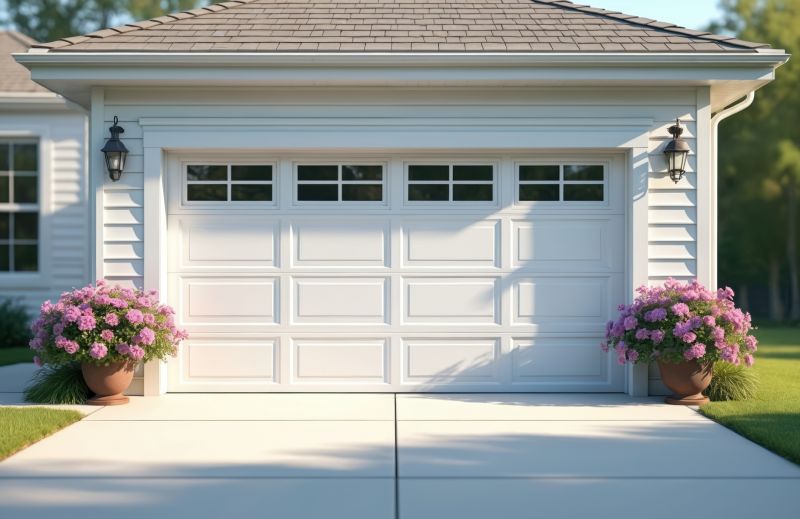
Proper installation of a concrete driveway is essential for preventing common issues like cracking and settling over time. When local contractors carefully prepare the subgrade, ensure proper compaction, and use appropriate mixing and curing techniques, they help create a stable foundation that can withstand daily stresses. This attention to detail reduces the likelihood of uneven settling and minimizes the formation of cracks, keeping the driveway looking better and functioning longer.
Homeowners in the area often seek out experienced service providers to handle driveway installation because proper techniques directly influence durability. Skilled local contractors understand the specific conditions of the local soil and climate, allowing them to implement best practices that prevent future problems. Choosing seasoned professionals for concrete driveway installation can help ensure the surface remains smooth and intact, avoiding costly repairs caused by improper setup or installation errors.
How does proper installation help prevent cracking in a concrete driveway? Proper installation ensures the concrete is placed with appropriate reinforcement, correct joint placement, and proper curing, all of which reduce stress points that can lead to cracking.
Why is proper subgrade preparation important for preventing settling? Adequate preparation of the subgrade provides a stable foundation, minimizing uneven settling and ensuring the driveway maintains its level over time.
How do local contractors ensure proper joint placement to prevent issues? Experienced service providers carefully plan and install control joints at strategic locations to control where cracks may form, reducing random cracking and settling.
Can proper installation techniques reduce the risk of future cracks and settling? Yes, following best practices during installation, such as proper mixing, placement, and curing, significantly lowers the chances of cracking and settling later on.
What role does weather play in proper driveway installation? Local pros account for weather conditions during installation, ensuring the concrete cures properly and is less prone to cracking or settling caused by temperature fluctuations or moisture issues.
Proper site preparation helps ensure the ground is stable and well-compacted before pouring concrete, reducing the risk of settling. Local contractors can evaluate soil conditions and recommend necessary improvements for a solid foundation. Accurate mix and placement techniques prevent weak spots that can lead to cracking, making it important to work with experienced service providers. Use of control joints allows for controlled cracking and movement, and local pros can strategically install them to accommodate natural expansion and contraction.
If you are thinking about how proper installation prevents cracking and settling for a property, this guide is meant to help you understand this topic, the typical project types, and how different options might fit your plans.
When you are ready, you can use the quote form on this page to share a few details about your project. From there, local pros can review the basics and follow up with options that match what you have in mind.